- The three real options, side by side
- What adapting a house usually involves, and costs
- Why rightsizing isn't the same as downsizing
- A simple way to decide together as a family
Every family reaches a point where the house and the life stop matching. The stairs, the yard, the distance to a hospital or a grandchild. There are three ways through it, and none of them is wrong. The mistake is choosing one before you've priced all three.
Option one: stay, and adapt the house
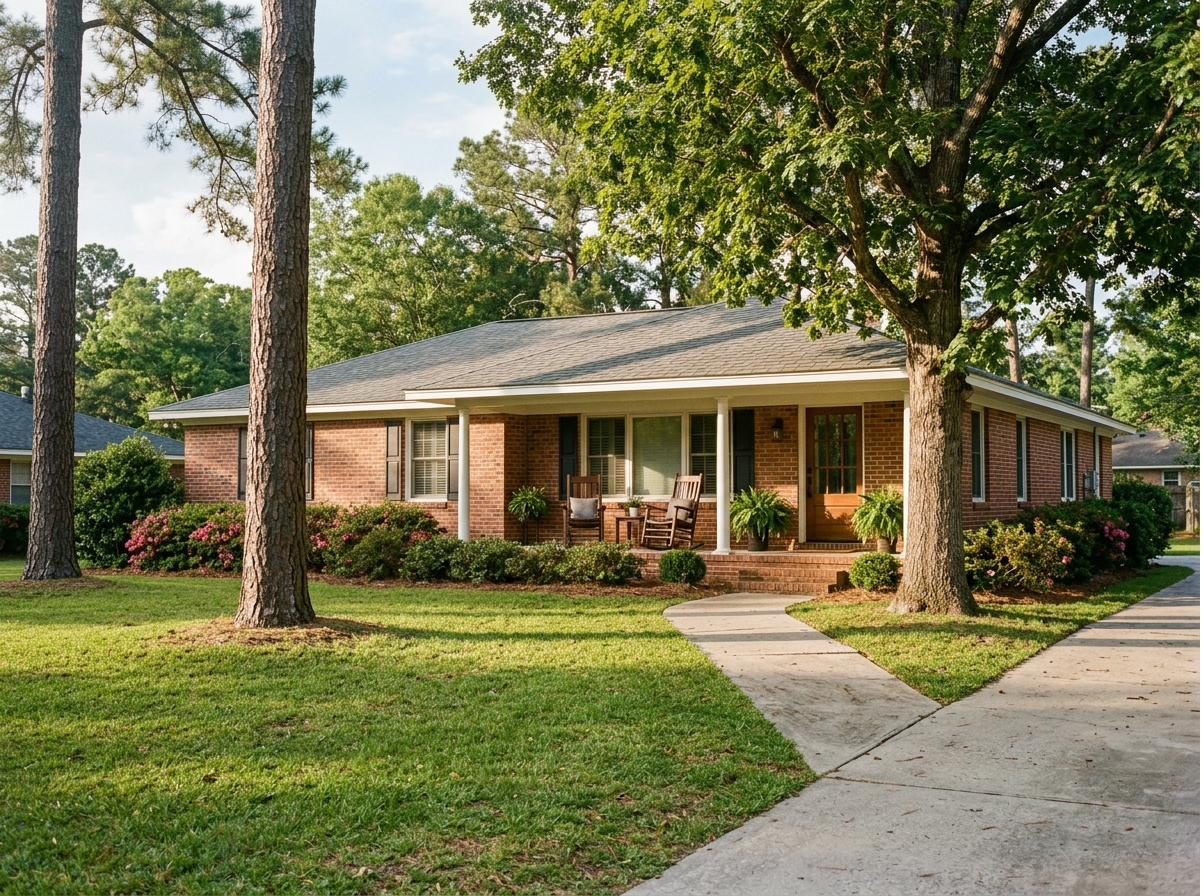
Most of what makes a home workable for the long term is unglamorous. A step-free entry. A bedroom and a full bath on the main level. Doorways wide enough for a walker. Lever handles, brighter lighting, a shower without a curb. Add a few well-chosen pieces of technology (a keypad lock, leak sensors, a way to check in) and many single-level homes around Lake Murray are already most of the way there. The cost ranges widely; a ramp and a bathroom can be a few thousand dollars, a main-floor suite can be a serious renovation. The upside is no move at all.
Option two: rightsize
Rightsizing means a home that fits the next twenty years: one level, a yard someone else can mow, closer to family or to care, lower taxes and utilities. It often means selling a larger house at a strong price and buying something smaller with cash left over. The cost is the disruption of a move, and the emotional work of sorting a lifetime of belongings. Done with help, that work is manageable; done alone, it's the thing that stalls families for years.
Option three: sell and simplify
Sometimes the right answer is a community with care built in, or a move to be near children in another state. Selling then is less about the house and more about timing, so the sale supports the plan rather than driving it.
How to decide
Write down what the house needs to do in five years, not what it does now. Get the adaptation priced by a contractor who does this kind of work. Get a written opinion of what the house would sell for, with comparable sales. Then compare the three columns side by side, with the whole family looking at the same page. I'll help you build that page, and I'm glad to be the one who says "stay" if the numbers point that way.
General information, not advice for your specific situation. I'll tell you when a question needs a lawyer, a CPA or a lender, and point you to a good one.